






Athlete Nutrition: Fuel Performance & Recovery Now
Fitness & Yoga
Padel-Welle 2026: Warum die ATP-Tour jetzt nachzieht und was das für DACH heißt →
Skimboarding an Nord- und Ostsee 2026: Spots, Equipment und Einsteiger-Saison →
Trail-Running-Schuhe 2026: Die neue Release-Welle →
Mobility Training: 15 Minuten, die dein Training verändern →
London Marathon Post-Race Analyse: Was Elite-Splits und Titelverteidiger dem Hobbyläufer zeigen →

2 min. read
You can’t out-train a bad diet. But with the right timing strategy, you can get 20–30% more out of every workout.
Key Takeaways
- Pre-workout: carbohydrates + low fat, 2–3 hours before training
- During training: only necessary for sessions over 90 minutes (gels, banana)
- Post-workout: 20–40g protein + carbohydrates within 2 hours
- The “anabolic window” is a myth — overall intake matters more than timing
- Hydration: 500ml per hour of training, up to 1 litre in the heat
Pre-Workout: The Right Meal Before Training
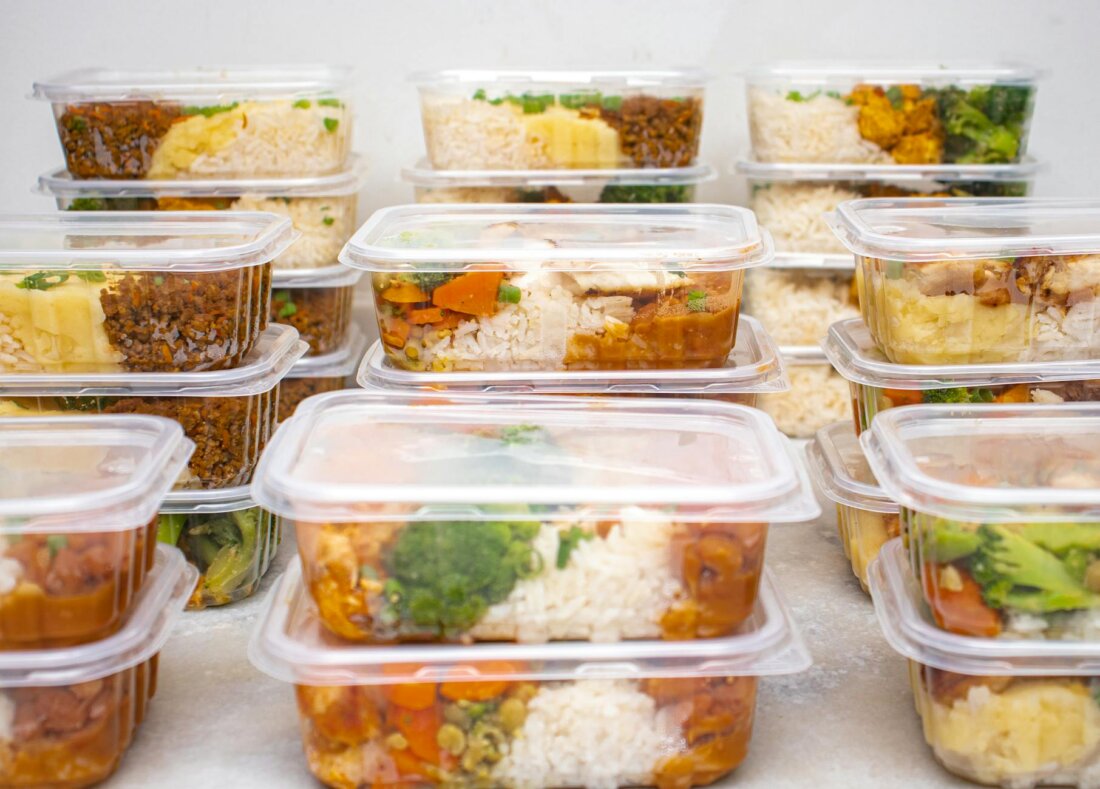
The ideal pre-workout meal sits 2–3 hours before training and is built primarily around carbohydrates (1–2g per kilogram of body weight), a moderate amount of protein, and little fat. Examples: oats with banana, rice with chicken, wholegrain bread with quark.
30 minutes before training: a small snack at most (half a banana, a rice cake). Nothing fatty, nothing high in fibre — it sits in your stomach and diverts blood away from the muscles that need it most.
Post-Workout: What Really Matters After Training
The “anabolic window” — the idea that you need protein within 30 minutes of finishing a workout — has been largely debunked. Studies show that as long as you eat a protein-rich meal within 2 hours, the effect is identical.
What counts: 20–40g of high-quality protein (quark, eggs, chicken, tofu) plus carbohydrates to replenish glycogen stores. Protein shakes are convenient but not superior — a real meal does exactly the same job.
Supplements: What Actually Works and What’s a Waste of Money
Scientifically proven: Creatine (3–5g daily, the oldest and most researched supplement), caffeine (3–6mg/kg, 30 minutes before training), vitamin D (if deficient — get a blood test). These three have hundreds of studies behind them.
Waste of money: BCAAs (unnecessary if you’re getting enough protein), fat burners (ineffective or dangerous), most pre-workout boosters (mainly caffeine in expensive packaging), detox products (your liver does that for free).
The golden rule: if a supplement promises more than a 5% performance boost, it’s either banned or a scam.
Frequently Asked Questions
Click on a question to reveal the answer.
Should you work out before breakfast?
Do you really need protein shakes?
How much water do you need when exercising?
More from our magazines
Cover image source: Pexels / IARA MELO
Read more
- Functional Training: The 10 Most Effective Exercises for Athletes
- Recovery Training: Why Rest Is the Most Important Part of Your Workout
- Recovery in Sport: Why Rest Matters More Than Training
More to explore: Check out InspiredByBeatz