






Recovery in Sports: Why Rest Is More Important Than Training

You won’t get better in training, but in the recovery afterward. Ignoring regeneration leads to plateau or injury.
 Short Sprint
- ▸ You’ll only get better during recovery, not during the training itself.
- ▸ Sleep is the most important factor: seven to nine hours are non-negotiable for intense training phases.
- ▸ Active recovery like light cycling or walking beats complete rest on many days.
- ▸ Foam rolling, nutrition, and deload weeks help only if the foundation is right.
- ▸ Overtraining is recognized by increased resting heart rate, poor sleep despite fatigue, reduced training performance over two weeks, and frequent colds.
Supercompensation: Why You Get Weaker During Training
Each training is a controlled damage to the body: micro-tears in muscle fibers, glycogen depletion, stress on tendons and ligaments. The actual performance increase occurs afterward – during the recovery phase, the body not only repairs the damage but also overcompensates: it builds stronger than before.
But only if enough recovery is present. Too early next training interrupts supercompensation and leads to performance stagnation. The art lies in the right timing – and this is individually different.
The 5 Most Important Recovery Strategies
1. Sleep (the King): During deep sleep, the body releases growth hormone – the most important factor for muscle repair. 7-9 hours, cool bedroom, no screen 30 minutes before bed.
2. Nutrition (the Queen): Protein within 2 hours after training, sufficient calories overall. Chronic calorie deficit + intense training = injury guarantee.
3. Active Recovery: Light cycling, walking, swimming at 50% intensity. Promotes blood flow and accelerates the removal of metabolic byproducts.
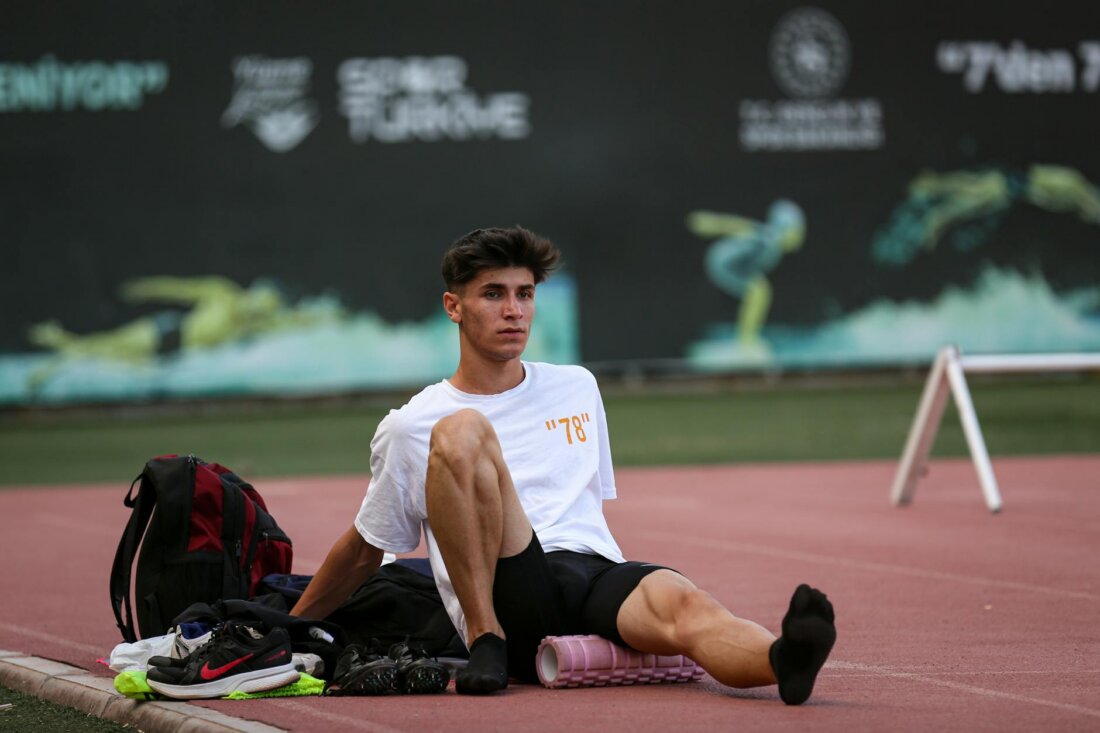
4. Foam Rolling: 10-15 minutes of foam rolling after training reduces muscle soreness. Roll slowly, hold painful spots for 30 seconds.
5. Cold Exposure: Cold shower (2-3 minutes) or ice bath after intense training reduces inflammation. Not to be used after strength training – inflammation is part of adaptation there.
Recognizing and Avoiding Overtraining
Overtraining is not a sign of toughness – it’s a sign of poor planning. The warning signs: resting heart rate in the morning 5+ beats above normal, sleep disturbances despite fatigue, irritability, declining training performance over two weeks, frequent colds.
The solution: incorporate deload weeks (one week with 50% volume and intensity every 4-6 weeks). Gradually increase training volume (maximum 10% per week). And the simplest rule: if you don’t feel like it AND your body is tired – take a rest day. No discussion.
Cool-down
Click on a question to reveal the answer.
Why is sleep so important for recovery?
What is active recovery and why is it better than complete rest?
How does foam rolling work and how should I use it?
How do I recognize overtraining?
How many rest days do I need per week?
Fitness Trends 2025 →Check out InspiredByBeatz (InspiredByBeatz) →
Recovery Training: Why Recovery is the Most Important Part of Your Workout →Functional Training: The 10 Most Effective Exercises for Athletes →Nutrition for Athletes: What Matters Before, During, and After Training →
Source Title Image: Pexels / Burak Esen
Translated from the German original using artificial intelligence. The German version is authoritative.