






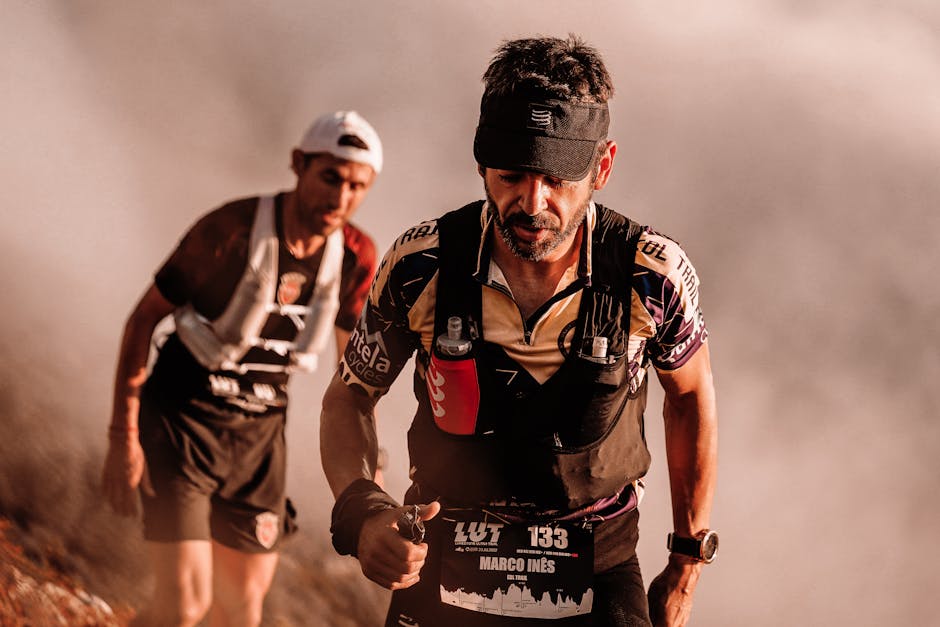
Western States 100 2026: Walmsley vs. Jornet in the Trail-Olymp Showdown
6 Min. read
On June 27, 2026, the starting gun will fire in Olympic Valley for the Western States 100, the world’s most prestigious trail ultra. A 161-kilometer journey through the Sierra Nevada, a 30-hour time limit, and a field deeper than ever: Jim Walmsley vs. Kilian Jornet, plus six fresh Golden Ticket winners.
29.05.2026
Why Western States is the Olympics of the Trail Scene
There are tougher races than the Western States 100. There are higher, colder, more technical ones. But none carries this weight. The run from Olympic Valley to Auburn, with roots dating back to 1974 and the first official race in 1977, is the world’s oldest 100-mile trail and the birthplace of modern ultrarunning. Winning here means making history.
The race is part of the UTMB World Series, and gaining entry is absurdly difficult. Most runners spend years fighting for a spot through a lottery or Golden Tickets earned at select qualifying races. It’s this scarcity that makes the starting line one of the most coveted in the entire sport.
For the German-speaking trail community, Western States is the window through which you watch the absolute elite. If you run long distances yourself, you’ll recognize your own struggles in this race-just turned up to eleven. For a sense of the mental side of long-haul efforts, check out our take on the Comrades Marathon.
Walmsley vs. Jornet: The 2026 Showdown
The headline writes itself. Jim Walmsley, 36, four-time winner and course record holder, faces off against Kilian Jornet, 38, perhaps the greatest mountain runner of all time. Walmsley knows every inch of this course; Jornet brings a skill set that spans ski mountaineering to summit-speed records.
Behind them, the field is reportedly the deepest in race history. Adam Peterman, Zach Miller, Hayden Hawks, and Riley Brady locked in their spots at the Canyons Endurance Runs 100K in late April. Any one of them could stand on the podium on a good day.
What’s fascinating is that experience and talent are often weighted differently here than on the track. In ultras, the fastest runner rarely wins; instead, it’s the one who makes the fewest mistakes. How much clean load management matters over these distances is spelled out in our guide to personalized Zone-2 training.
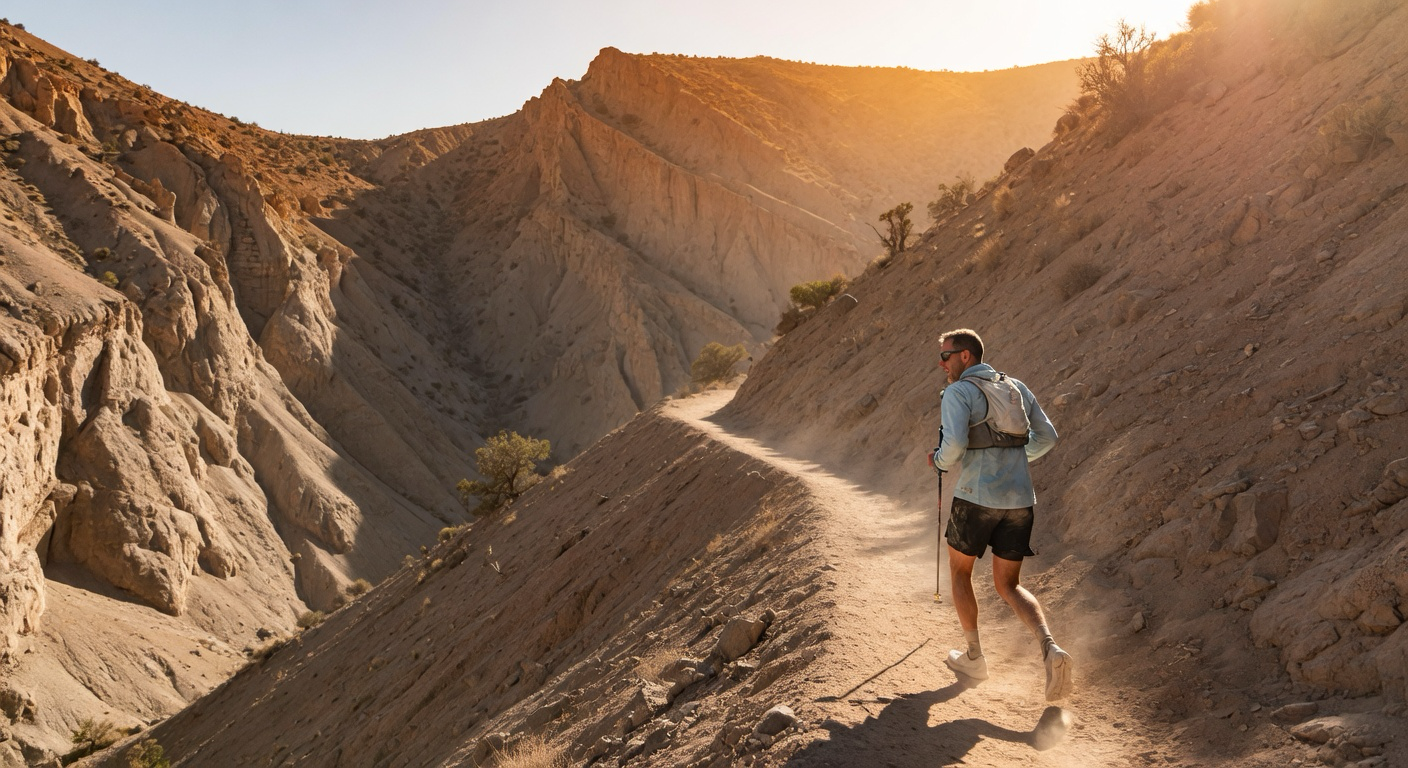
Heat, Canyons, and the Point of No Return
The profile sounds forgiving at first: net downhill from roughly 1,800 meters to Auburn. But appearances deceive. The long descents shred quadriceps, and deep canyons trap heat that climbs well past 40 °C.
That’s where, around the halfway mark in the notorious canyon section, the field collapses every year. Runners who went out too fast lose hours-or drop out-in the midday furnace. Those who conserved energy now reel in the ones who started in the red zone.
The American River crossings and the infamous final push into Auburn demand everything once more. Succeeding at Western States means making the right calls on pace, cooling, and fuel for 30 hours straight while your body screams at you.
What You Take Home as a Trail-Running Hobbyist
You don’t need to run 161 km to learn from Western States. Three principles transfer to every long trail.
First: heat is trainable. If you’re racing in summer, acclimate your body over weeks rather than being blindsided on race day. Second: downhill is its own discipline. The eccentric load on descents wrecks legs faster than any climb, so downhill drills belong in your plan. Third: fuel decides. Over many hours, it’s less the muscles that fold than the stomach, so practice your strategy in training-not in the race.
How vital recovery and sleep are for long-distance performance is explored in our overview of recovery with wearables. For most, Western States remains a distant dream. But it changes how you think about your next long run.
 Cool-down
Click on a question to reveal the answer.
When is the Western States 100 in 2026?
Who are the favorites?
Why is the heat such a factor?
How do you even get to the starting line?
What can hobby runners take away from this?

Comrades Marathon 2026: What German-speaking runners need to know →
Transvulcania 2026: How David Sinclair smashed the course record →
Personalized Zone 2: What FatMax and VT1 can teach your training plan →
Sleep and recovery: How wearables can optimize your training →
HYROX Doubles in Tempelhof: What couples can learn from the finals →
Source header image: Pexels / RUN 4 FFWPU (px:13158584)
Image in post: AI-generated (May 2026)
Translated from the German original using artificial intelligence. The German version is authoritative.