






Le Mans 2026: What Endurance Athletes Can Learn from the Drivers

5 min read
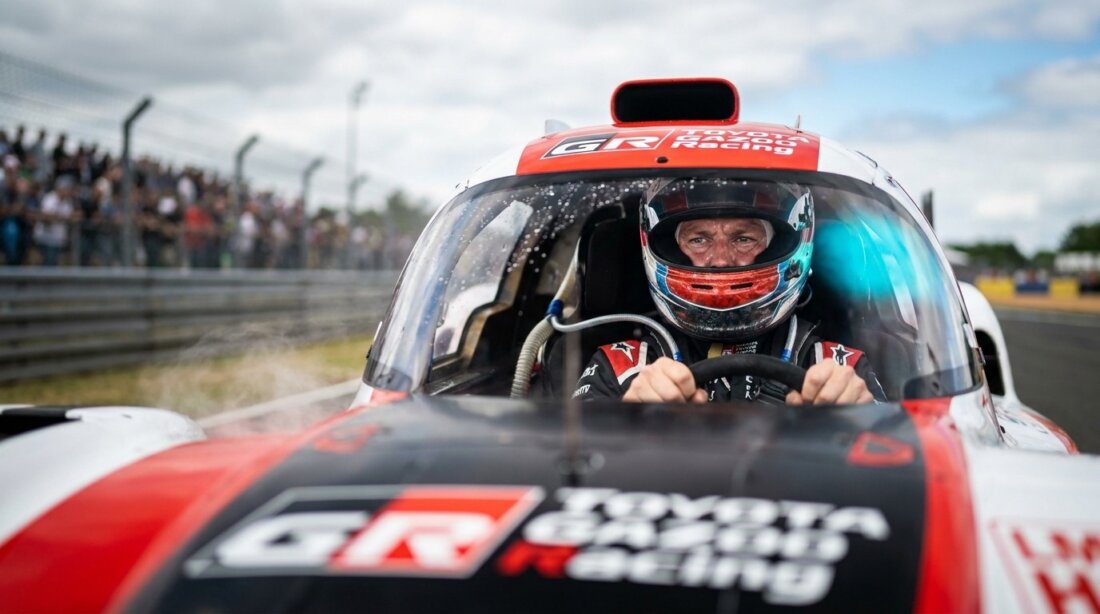
Eleven seconds separated the winner from second place on Sunday. After 24 hours. Toyota’s #7 car, driven by Kamui Kobayashi, Nyck de Vries and Mike Conway, claimed its first Le Mans victory since 2022-just ahead of BMW’s entry piloted by René Rast. While everyone debates tyres and pit stops, the real sport lies in the cockpit: three drivers operating like endurance athletes. Their training regimen delivers a plan for your next long run.
 Quick Sprint
- ▸ 170 bpm on average: A Le Mans driver maintains the heart rate you hit in a tempo run-only while sitting.
- ▸ Up to 3 litres of sweat per stint: In the sealed cockpit it once reached 80 °C. Air conditioning is rare-it would cost five to six horsepower.
- ▸ Hydration is measured, not guessed: Teams weigh drivers before and after every stint and analyse sweat sodium levels.
- ▸ Your neck withstands 4G: Roughly 20 kg of force in every hard braking zone. Targeted training, two to three times a week, builds that resilience.
- ▸ What you can skip: Ice baths and two-and-a-half-hour gym marathons. Yet the principle is pure gold: plan for heat, pulse and fluid instead of crossing your fingers.
24 Hours in the Oven: What Does That Do to the Body?
Le Mans looks like a machine from the outside. In reality, it’s one of the toughest endurance tests in professional sport. A driver doesn’t just sit in the car for 24 hours; they’re behind the wheel in stints-often double or triple shifts, each lasting one to several hours. During that time, their heart rate averages over 170 beats per minute. Not as a brief spike, but hour after hour.
Then there’s the heat. Because air conditioning saps power-and thus lap time-most teams skip it. Trapped inside the closed cockpit, drivers endure engine and track heat. Back in the day, temperatures over 80 °C were recorded. Today, a rule kicks in at 32 °C ambient: continuous driving time capped at 80 minutes. In extreme heat, drivers lose 2.5 to 3 litres of fluid per stint. Belgian Jacky Ickx once shed six kilos in a single race day.
And then there’s the neck. In heavy braking zones, forces up to 4G-about 20 kilos-pull at helmet and head, lap after lap. That’s why Le Mans drivers hit the gym two to three times a week for roughly two and a half hours: cardio, core, neck. Sunday’s victory wasn’t just strategy. Eleven seconds after 24 hours, it still hinged on who could still brake cleanly in hour 22.
This isn’t limited to the top factory squads. Privateer outfits like Germany’s Proton Competition also line up at Le Mans, contesting the 2026 race with two Ford Mustangs in the LMGT3 class-one steered by ex-Formula 1 pilot Logan Sargeant. Their drivers follow the same regimen. The heat inside a GT3 cockpit matches the one up front.
Three Lessons from the Cockpit You Can Steal
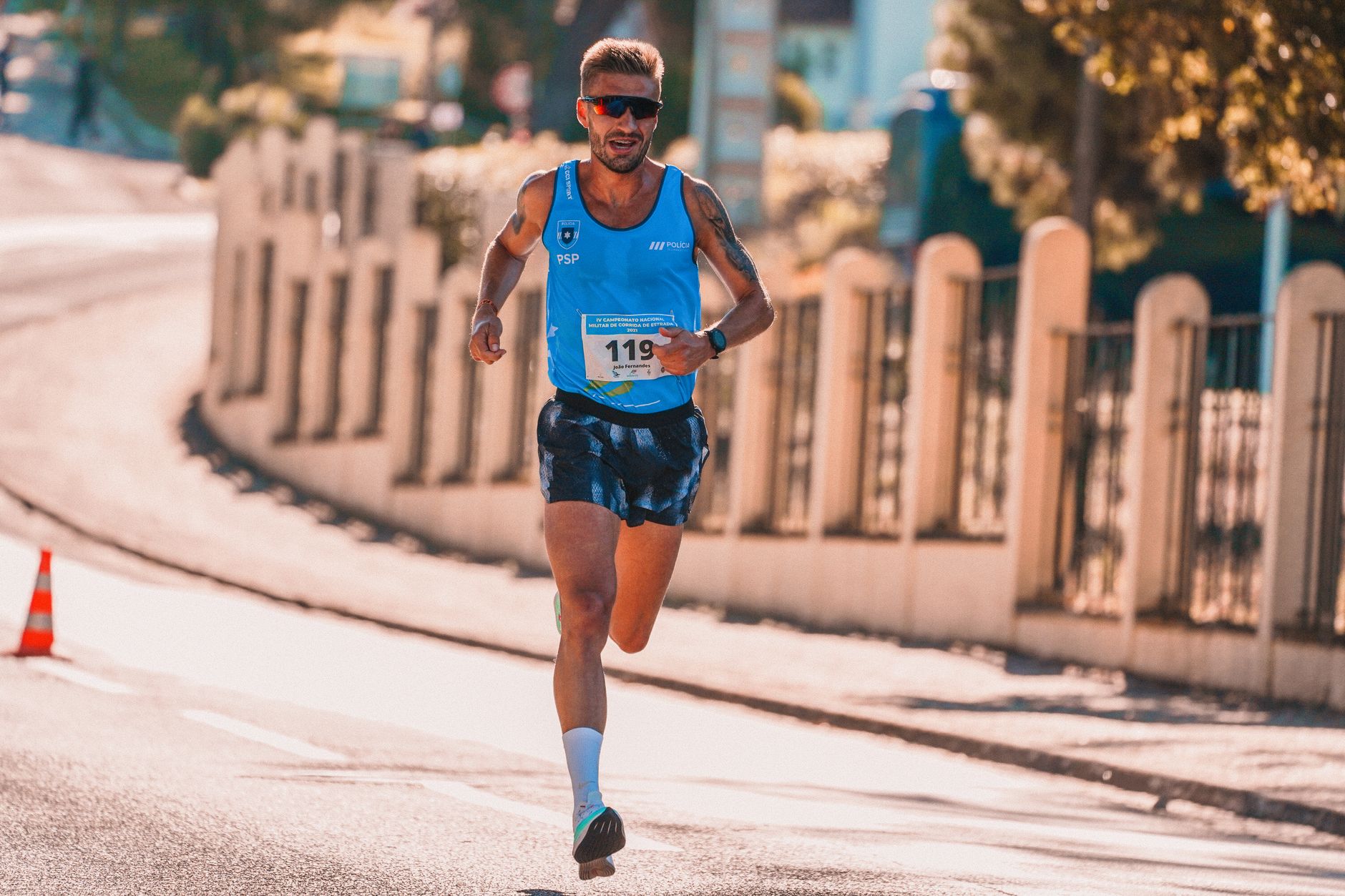
You’re not piloting a hypercar. But when you toe the line for a 30-kilometre summer run or your first triathlon, the same adversaries appear: heat, heart rate, hydration. Pros don’t out-muscle them-they out-plan them.
First: plan for heat, don’t just endure it. Teams prepare drivers for the climate instead of hoping the weather cooperates. For you, that means heat acclimatisation: one to two weeks before a hot race, train deliberately in warmth so your body starts sweating earlier and more efficiently. That drops your heart rate at the same effort, much like the five training lessons from the Critérium du Dauphiné demonstrate-preparation begins long before the gun.
Second: drink by the numbers, not by thirst. Teams weigh riders and analyse sweat-salt levels to tailor electrolyte mixes. You don’t need a lab. Weigh yourself before and after a long, sweaty run. Every lost kilogram equals roughly one litre you must replace on the move. Relying on thirst in the heat almost always leaves you behind the curve.
Third: your heart rate is your tachometer. In the car or on the road, the first hours decide the last. A hard start is paid for twice over. Le Mans drivers keep their pace deliberately controllable-this is pacing. And the mind often quits before the legs do, an effect neatly dissected in Brain Endurance Training.
- Heat-acclimatisation before summer race day
- Know sweat loss by the scale and replace it
- Controlled pacing from the first kilometres
- Targeted core and neck training for long efforts
- Daily 2.5-hour gym blocks like a pro
- Ice-bucket rituals as a supposed performance hack
- Special electrolyte mixes without knowing your actual loss
- Believing heat training can replace a long run
What sticks with you
The allure of Le Mans isn’t that someone drives fast. Many can do that. The allure is that someone, after 24 hours of heat, heart rate and dehydration, still finds eleven seconds. That’s endurance in pure form-just with a steering wheel.
For you, a simple three-step formula remains: prepare for the heat, know your fluid loss in numbers, and parcel out the effort from the start. Take it seriously and you’ll finish long, tough courses-whether it’s a marathon at 28 °C or a 200-mile ultra like the Tahoe 200. The car needs fuel. You need a plan.
Cool-down
Click on a question to reveal the answer.
How high is a Le Mans driver’s heart rate really?
Why don’t race cars have air conditioning?
What can I, as a hobby runner, actually take away from this?
How do drivers train their necks?
Is motorsport really an endurance sport?

Editorial IBS Publishing ››
Critérium du Dauphiné 2026: 5 training lessons for endurance athletes →
Brain Endurance Training: Why your brain gives out before your legs →
Tahoe 200 Ultra: What 200 miles reveal about endurance →
Biathlon data: Using heart-rate and shooting stats for hobby athletes →
Muscle-building nutrition plan: What outdoor athletes need to eat →
Image source: Cover image AI-generated (June 2026), C2PA certificate embedded in image. Feature image Pexels / RUN 4 FFWPU (px:10168168)
Translated from the German original using artificial intelligence. The German version is authoritative.
Disclosure: Evernine Media is a partner of Proton Competition.