






Cycling 2025: Gravel, E-Bike and Road Compared
Individual Sports
Padel-Welle 2026: Warum die ATP-Tour jetzt nachzieht und was das für DACH heißt →
Skimboarding an Nord- und Ostsee 2026: Spots, Equipment und Einsteiger-Saison →
Trail-Running-Schuhe 2026: Die neue Release-Welle →
Mobility Training: 15 Minuten, die dein Training verändern →
London Marathon Post-Race Analyse: Was Elite-Splits und Titelverteidiger dem Hobbyläufer zeigen →

2 Min. read
The bicycle market has never been more diverse — or more confusing. Gravel, e-bike, road bike, MTB: What’s the difference, and which bike is worth it for you?
Key Takeaways
- Gravel bike: The all-rounder — pavement and light gravel, perfect for adventure rides
- E-bike: Democratizes cycling — less fitness required, more distance, more fun
- Road bike: Built for speed and training on asphalt, not suited for rough terrain
- MTB (Mountain Bike): For trails and off-road — hardtail for beginners, full-suspension for advanced riders
- Budget rule of thumb: 800–1,500 Euro for a solid entry-level bike, more for performance
Gravel Bike: Why It’s Booming and Who It’s For
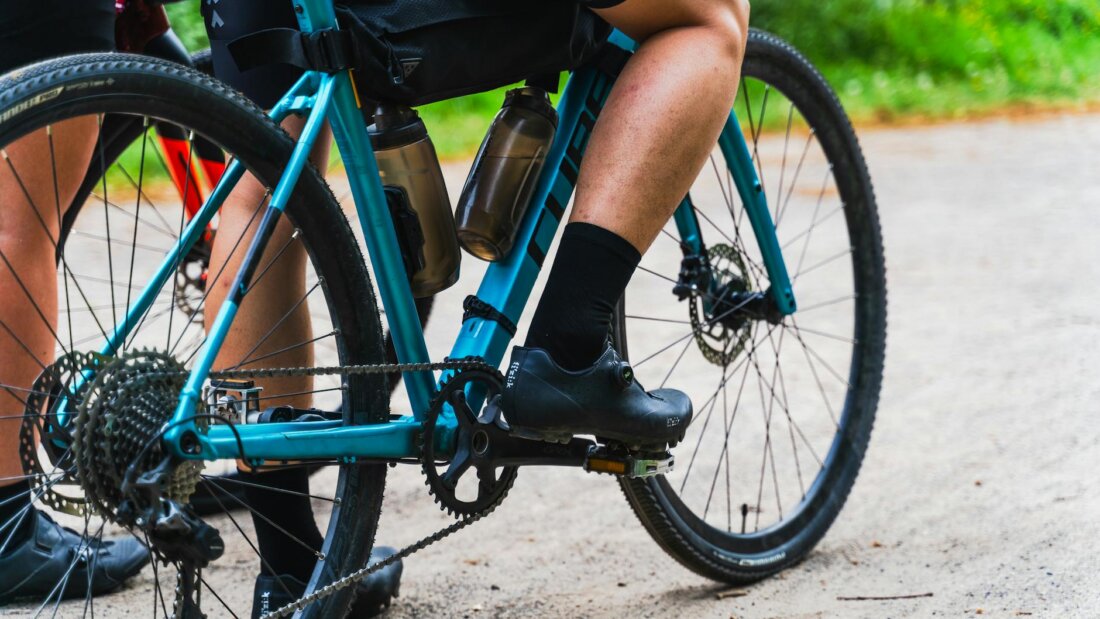
The gravel bike has been the standout trend of the past three years: wider than a road bike, tough enough for light gravel paths, yet fast enough for road tours. For anyone seeking the road-bike feel on adventurous routes, it’s the perfect fit.
Gravel is booming because it stands for freedom: just hit the road without needing to plan every stretch on paved surfaces. The bikepacking culture (multi-day cycling trips with gear carried on the bike) has turned gravel into today’s hottest segment. Solid entry-level models start at 1,200 Euro from brands like Canyon, Trek, or Cube.
E-Bike: More Than Just a Compromise
E-bikes are mocked by purists but loved by realists. Fact is: e-bikes have gotten more people on bikes than any other innovation in recent decades. Many who used to drive to work now cycle — because the motor lowers the mental barrier to sweat and hills.
Used actively: many e-bikers only switch on the motor uphill and ride flat sections unassisted. The result? Greater total distance, more enjoyment, and more physical activity. E-mountain bikes (E-MTBs) open up trails that were once accessible only to the highly fit.
Road Bike vs. MTB: The Classic Opposites
The road bike is the ultimate training tool: aerodynamic, lightweight, fast. No other bike compares when it comes to structured endurance training, road races, or events like L’Etape or Granfondo. The downside: pavement-only use, zero tolerance for poor road conditions.
A hardtail mountain bike (front suspension, rigid rear) is the best entry point for off-road riding: more affordable than a full-suspension model (front and rear suspension), lower maintenance, and sufficient for forest roads and easy trails. Full-suspension MTBs starting at €2,500 are recommended for serious trail riders.
Frequently Asked Questions
Click on a question to reveal the answer.
Which bike is best for commuting and everyday use?
How much should I spend on a good bicycle?
Do I need a bicycle helmet and protective gear?
More from InspiredBySports
Header image source: Pexels / Utopix Pictures Pictures
Translated from the German original using artificial intelligence. The German version is authoritative.
Read more
- HIIT vs. Steady State: Which Cardio Workout Is More Effective?
- Mountain Biking for Beginners: Trails, Bikes, and Your First Descents
- Racing bike – The right model for everyone and every level
More to explore: Check out InspiredByBeatz