






Japanese Walking: Your 30-Minute Workout for More Energy

5 min read
3,000 percent search growth in one year. Japanese Walking is the fitness trend leaving everything else in the dust—and the best part? You don’t need a gym or equipment. Just 30 minutes of alternating fast and slow walking. Science backs it up.
What Is Japanese Walking?
Forget everything you know about going for a stroll. Japanese Walking—officially called Interval Walking Training (IWT)—is a structured program that alternates between fast and slow walking. For three minutes, you push hard, as if racing to catch a bus. Then three minutes of leisurely strolling, like you’re wandering through a park. Repeat five times. Done. Thirty minutes, no equipment, no gym.
The method was developed by Professor Hiroshi Nose and his team at Shinshu University in Japan—not for Instagram, but as a science-backed training program. Research has been ongoing since the early 2000s.
Why Is the Trend Exploding Right Now?
TikTok. That’s all there is to it. Japanese Walking went viral in early 2026, and the momentum has taken on a life of its own. Relevant hashtags now rack up over 400 million views. But this hype has substance: according to the PureGym Annual Fitness Report, Japanese Walking is the fastest-growing fitness trend of the year, with search interest skyrocketing by nearly 3,000 percent.
The reason is obvious. Jogging is simply too intense for many—especially beginners. Joints ache, lungs burn, and motivation fizzles out after the third lap around the park. Interval Walking solves this: you get the benefits of interval training without the high-impact drawbacks. And you can do it anywhere—at the park, on your commute, even on vacation.

What Does Science Say?
Here’s where it gets interesting. Unlike many TikTok trends, Japanese Walking actually has solid research behind it. The landmark study by Nose and his team in 2007 examined over 680 participants aged 44 to 78. The results after five months:
Source: Shinshu University, Nose et al., 2007
For comparison: participants who simply walked at a normal pace showed no significant improvements. The alternation between intensities makes all the difference.
Research team led by Prof. Hiroshi Nose, Shinshu University, paraphrased
Your 4-Week Japanese Walking Starter Plan
You don’t need an app, a trainer, or special shoes. Comfortable sneakers are perfectly fine. Here’s your plan for the first four weeks:
Weeks 1-2: Build your base
- 3 sessions per week, 20 minutes each
- 3 minutes brisk walking (as if you’re in a hurry), 3 minutes at an easy pace
- 3-4 intervals per session
Weeks 3-4: Step it up
- 4-5 sessions per week, 30 minutes each
- Increase the pace during fast phases (you should feel slightly out of breath but still able to talk)
- 5 full intervals per session
From Week 5: Advanced
- 5-6 sessions per week, optional inclines (hills, stairs)
- Intensify fast phases with arm movements
- For those who want more: try rucking (walking with weight) as the next level
Who Is Japanese Walking For?
Pretty much everyone. But these groups stand to benefit the most:
- Comebackers: Been inactive for a while and want to ease back in? Perfect. IWT was originally developed for older adults.
- Desk warriors: 30 minutes during your lunch break is enough. No need to change clothes or shower afterward.
- Runners with joint issues: The same cardiovascular benefits, without the impact of jogging.
- Parents: Stroller-friendly. Seriously—intervals work just as well with a buggy.
- Travelers: Do it anywhere, no equipment, no backup plan needed. New place? Just start walking.
The Right Technique: How to Get the Most Out of It
Japanese Walking sounds simple—and it is. But a few details make all the difference between “a nice stroll” and “real training”:
The fast phases: Picture this: you’re running late and need to catch that train. Take big strides, swing your arms actively, engage your thighs. You should be slightly out of breath—if you can chat effortlessly, you’re going too slow. On a scale of 1-10, aim for a 6-7.
The slow phases are intentionally unhurried. Don’t stop, but ease up noticeably. Arms relaxed, breathing steady. This is your active recovery slot. Use the time to take in your surroundings, let your pulse settle, and hit the mental reset button.
Posture: Stand tall, gaze forward (no phone scrolling), shoulders back. Sounds obvious, but most people walk with a hunched upper body. That restricts lung capacity and makes the fast phases harder than they need to be.
Timing: The original study used exactly 3 minutes per phase. You can start with a 2:1 ratio (2 minutes fast, 1 minute slow) or move up to 4:2 as you get fitter. But the 3:3 format has the strongest research backing.
Common Mistakes to Avoid
The most frequent error? The fast phases aren’t fast enough. Many beginners walk at nearly the same pace in both phases—hardly effective. The contrast is key. Your heart rate should noticeably rise during the fast intervals.
Second mistake: Walking every day. Even though IWT is easy on the joints, your body needs rest. Three to five sessions per week is ideal. On off days, take a normal walk—but skip the intervals.
Third mistake: Quitting too soon. The first two weeks might feel underwhelming. Measurable improvements kick in around weeks four to six. Stick with it—the study shows the best results after five months.
Japanese Walking vs. Other Trends
How does Interval Walking stack up against other fitness trends? A quick breakdown:
Vs. 12-3-30 (Treadmill): The 12-3-30 method (12% incline, 3 mph, 30 minutes) is effective—but you need a treadmill. Japanese Walking works outdoors, indoors, anywhere. Plus, the intervals challenge your cardiovascular system more than steady walking on a treadmill.
Vs. Jogging: Jogging burns more calories per minute. But the dropout rate is high because it can feel like torture for beginners. IWT has shown better long-term adherence in studies.
Vs. Rucking: Rucking (walking with weight) is the natural next step. Master IWT first, then add weight—that’s how you build a solid foundation.
Final Thoughts
Japanese Walking isn’t just another fleeting trend. It’s a science-backed workout that delivers exactly what most people need: noticeable results with minimal effort and zero barriers to entry. TikTok’s late discovery is actually overdue—the research has been around for over 20 years. Grab your shoes and get going. Three minutes fast, three minutes slow. Your body will thank you.
 Cool-down
Click on a question to reveal the answer.
Is Japanese Walking really better than regular walking?
How fast should I walk during the brisk phase?
Can I do Japanese Walking in any weather?
Do I need special shoes?
How often should I do Japanese Walking per week?
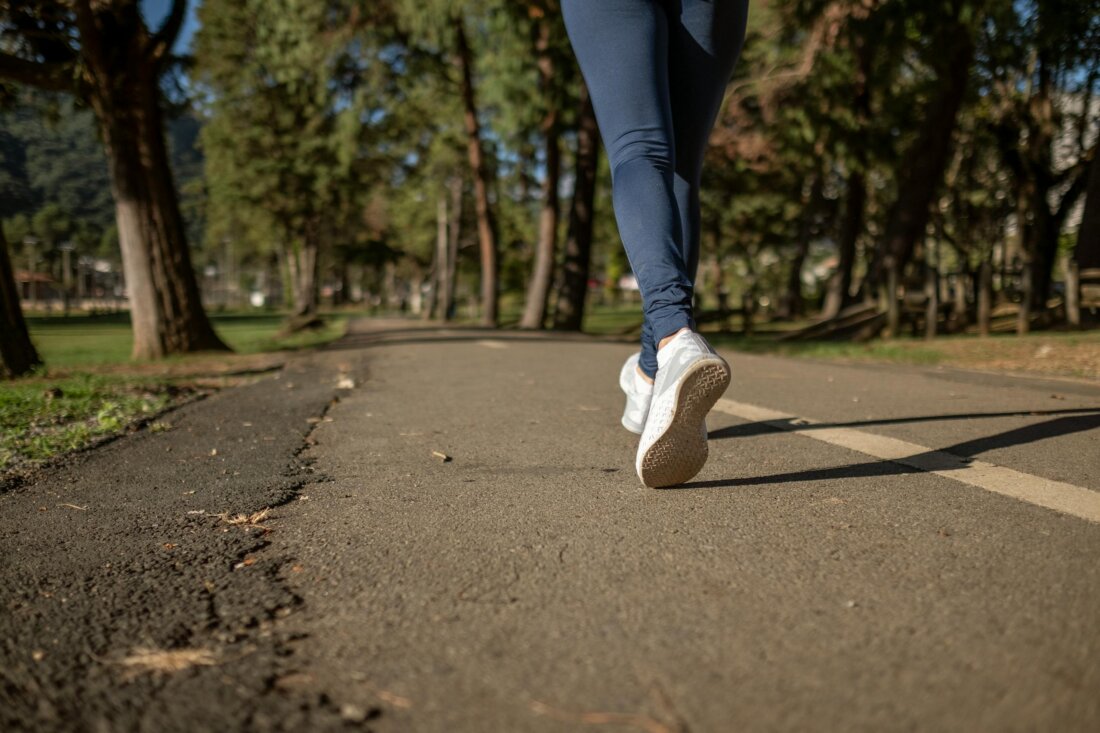
Source: Pexels / Daniel Reche (px:3601098)
Translated from the German original using artificial intelligence. The German version is authoritative.