






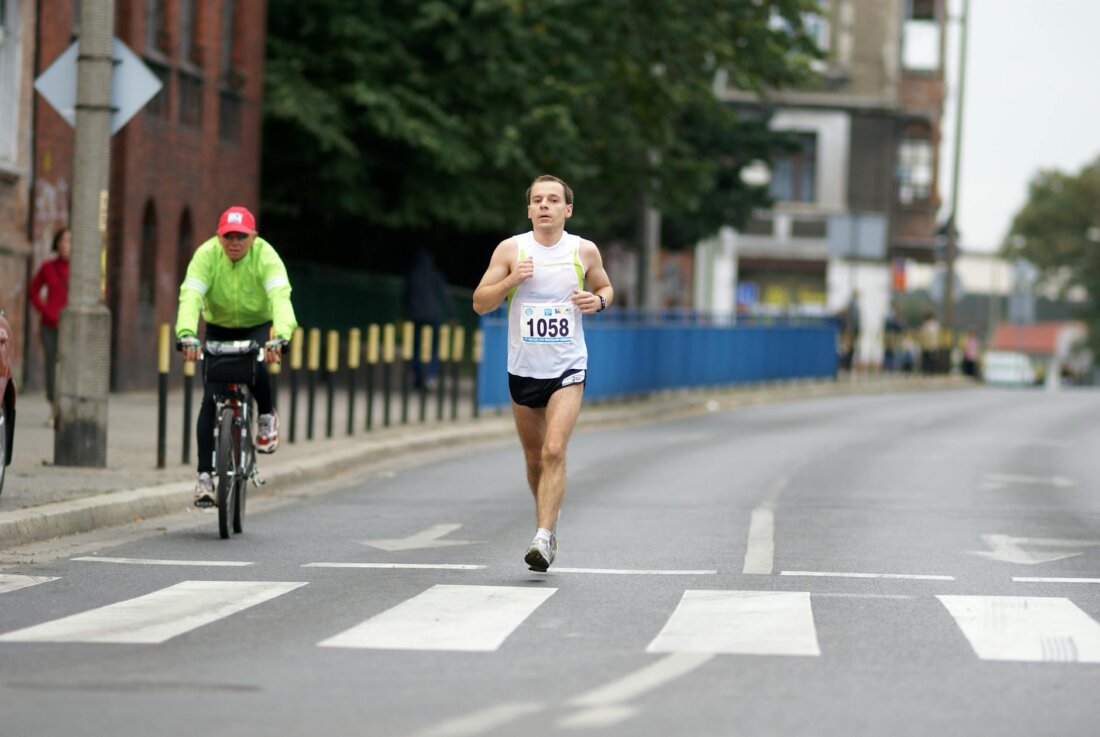
Boston Marathon: How 96 Hours of Taper Make Your Time
On Monday, April 20, the 130th Boston Marathon will roll through Hopkinton to Copley Square. Over 30,000 runners will then be at the starting line. What they do today, four days before, will determine their finish time more than the training blocks of the last three months. The science behind it is called Tapering – and it’s half physiology and half self-control.
The Science: What Really Happens in Your Body During Tapering
Tapering is not laziness with an excuse. It’s a physiological phase where your body reduces fatigue while preserving the adaptations from intense training. Inigo Mujika, a sports physiologist at the University of the Basque Country and one of the world’s leading tapering researchers, compiled over 180 studies in his widely cited 2003 meta-analysis. The greatest gains come from a volume reduction of 41 to 60 percent while maintaining training frequency and intensity.
For example, if you’ve been running 80 kilometers per week in marathon training, taper down to 40 to 50 kilometers. If you’ve been doing ten sessions in two weeks, reduce to eight to nine. What you should not do: skip the tempo sessions. Short intervals at marathon pace are crucial for maintaining VO2max and lactate threshold. Skipping these runs can leave you feeling tired and with fresh legs on race day – a feeling many Boston Marathon rookies know well.
Hormonally, remarkable changes occur during this phase. The ratio of anabolic to catabolic hormones shifts, with testosterone-to-cortisol ratios increasing. Simultaneously, muscle micro-injuries regenerate, immune system markers normalize, and heart rate variability improves. Studies on rowers (Neary 2003) show a performance increase of up to six percent in a three-week tapering phase, with significantly less training.
The most common mistake: The feeling during the taper week is often miserable. Your legs feel heavy, your head is foggy, and dreams become vivid. This is not a sign of poor form but of your body restructuring. Regeneration processes in the body are in full swing, which may not always feel great.
The Last 96 Hours: What to Consume When
The last training that really brings something is on Thursday. After Friday, it’s no longer about fitness, but about energy storage and body awareness. Here are the four days leading up to Boston, broken down according to what professionals like Eliud Kipchoge or Germany’s marathon trainer consistently recommend.
Boston has a peculiarity: the shuttle bus to Hopkinton leaves the Boston Common between 6:00 and 8:00 AM on race morning. The runners then stand for up to three hours in the Athlete’s Village in cool temperatures. Anyone who eats or drinks incorrectly during these three hours has already lost the race before it starts. Routines are part of the taper, not just the race day.
Two key differences from other major marathons are critical: First, Boston starts downhill, with the first six kilometers descending about 140 meters. Anyone who doesn’t have fresh legs from the taper and can’t maintain the pace from kilometer four on these first six kilometers ruins their thighs and pays for it on Heartbreak Hill at kilometer 32. Second, the race temperature is historically volatile, ranging from 7 degrees with rain (2018) to 31 degrees with sunshine (2012). The taper nutrition is adjusted accordingly – more electrolytes and fewer heavy carbohydrates on Sunday if it’s hot. Anyone who tapers without a weather plan is improvising on the shuttle bus.
The third point concerns the journey itself. Many European runners fly in on Wednesday or Thursday, losing two nights of deep sleep due to time zone changes and still start with a classic textbook taper. This doesn’t work. Anyone coming from Germany should either arrive earlier (six to seven days before) and incorporate the jet lag into the taper, or consciously accept that the sleep deficit is part of the equation. Melatonin dosage and light exposure then become part of the plan – not an afterthought.
Active vs. passive recovery: The debate on Sunday before the race
The most common question in Boston WhatsApp groups these days: Should I run again on Sunday or should I completely rest? The data is not conclusive, but here are the arguments from both sides, as discussed with two trainers who support athletes in Boston.
- ▸ 15 to 20 minutes of jogging keeps the circulatory system active and helps reduce nervous tension.
- ▸ Three to four accelerations activate fast-twitch muscle fibers, which would otherwise be in deep sleep at the start.
- ▸ Better sleep the night before the race – those who are completely sedentary during the day will likely be restless at night.
- ▸ Mental preparation: checking the tempo feeling one more time, not going into the race uncertain.
- ▸ Every additional step is a potential micro-injury that can carry over to race day.
- ▸ Joints and tendons benefit from 48 hours of full regeneration.
- ▸ Those who visit the race expo anyway will cover 6,000 to 10,000 steps – that’s enough activation.
- ▸ Mental focus: working on target time, not falling into pace anxiety.
The consensus that emerged from both discussions: 15 to 20 minutes of very light jogging in the morning, with a maximum of three short accelerations, followed by strict rest. For those who suffer from race nerves and start to sweat just thinking about pace tables, a short run is almost more important than the physiological component. The body then remembers that running is normal – not an event. This is particularly true for Boston, as the days leading up to the race are already stressful with organizational tasks (boarding pass, bib check, shuttle). Other marathon routines from Berlin or Munich cannot be directly transferred.
What the taper discussion often forgets: the mental component is just as important as the physiological one. A taper that freshens the legs but puts the mind into panic is only half effective. The last 96 hours are also 96 hours of self-reflection – about why one has been training long runs, what the goal is, and how it will feel. Those who do not plan this often fall apart at kilometer 32, even though the body is still capable.
 Cool-down
Click on a question to reveal the answer.
How many kilometers should I run this week?
My body feels off during taper. Is this normal?
Carb-Loading: really 10 grams of carbs per kilo for three days?
Strength training in taper week – yes or no?
What if I’m nervous and can’t sleep?

Editor-in-Chief MBF Media / IBS Publishing ››
evernine media
Mobility Training: 15-Minute Routine for Runners →Marathon for Beginners: 16-Week Plan →Triathlon for Swimmers: Getting Started →Wushu vs. Kung Fu: An Overview of the Differences →Swimming Styles: 3 Ways to Move in the Water →
More on the topic: Sanda 2026: Wushu Full Contact Takes Over the DACH Studios | Giro d’Italia 2026: Bulgaria’s Grand Departure and What You Can Take as a Hobby Cyclist | Wings for Life World Run 2026: One Week Until the Start on May 10
Source Title Image: Pexels / Roman Biernacki