






Bikepacking 2026: From Gravel Bike to Touring Format
9 min read
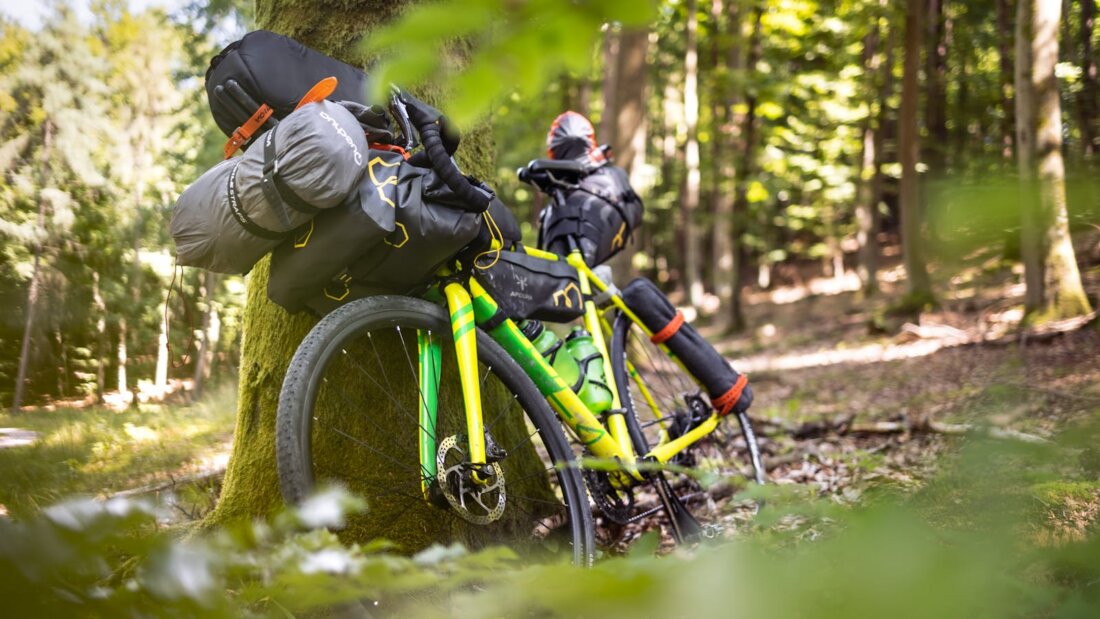
By 2026, bikepacking will be to cycling what gravel biking was in 2023: a subculture breaking out of its niche and drawing in outdoor athletes who’ve grown tired of traditional road-trip touring or the cumbersome MTB touring pack. This weekend, if you stand on a rest area in Munich, Vienna or Zurich, you’ll see them-wheels laden with handlebar rolls, frame bags and no rack. Three days of self-sufficiency, no hotel, sleeping in a bivvy. What sounds like a throwback to the hippie movement is actually a serious shift in the DACH outdoor market-and by 2026 it has reached a point where it’s worth taking a hard look.
Why bikepacking is taking off right now
It took me three weeks to figure out what bikepacking actually is. Back in the 1980s my father toured through France on a steel steed, checking into hotels every night-he called it bike touring. In the 2000s MTB boom, my uncle strapped a tour-camping roll to the back of his bike and crossed the Alps. What young bikepackers do today is neither. It’s its own discipline with clear rules: handlebar roll up front, frame bag in the main triangle, seat pack behind, no rack. Mixed terrain-gravel just as much as tarmac. Sleeping in a bivvy or hammock, not a hotel.
This shift didn’t come out of nowhere. Three things converged in 2024 and 2025. First, gravel bikes have moved from hipster trend to mainstream category. Anyone who bought a Cervélo Aspero or Specialized Diverge in 2023 will own a bike engineered for bikepacking by 2026-even without extra kit. Second, the bag industry has caught up. Apidura, Restrap and Ortlieb now build bags that don’t look like afterthoughts. Third, the outdoor generation weaned on trail-running and climbing is hunting longer, quieter formats.
If you already caught the Gravel-Biking Trend 2026, you’re the exact audience for bikepacking. The bike’s there, the skills are there-what’s missing is the idea that you can disappear for three days without checking into a guesthouse.
What a real bikepacking setup actually costs
Around €600 for the bag-and-sleep setup if you already own a gravel bike or cross-country MTB. Add an €80 light, a €40 mini pump, a €30 repair kit. Water filter and stove tack on another €150. That’s the point where bikepacking stops being a hipster hobby and becomes a serious outdoor investment.
Starting from scratch without your own gravel bike changes the math. Entry-level bikepacking rigs begin at €1,500 (Cube Nuroad, Canyon Grizl Base), realistically €2,000–€2,800 with decent gears and tubeless tyres. Toss in setup costs and emergency gear and you’re north of €3,500 before the first ride even starts.
How bikepacking has evolved since 2018
What you learn on your first weekend
If you’re planning your first bikepacking trip over Pentecost, keep it small: one night, 80–120 km, familiar terrain. Munich–Tegernsee–Tegernhof and back. Vienna–Danube Cycle Path to Tulln and return. Zurich–Sihl Valley–Sihlsee. That’s enough to feel what sets bikepacking apart from day rides without letting a botched route land you in a tight spot.
Three things you’ll discover that first weekend. First: your setup is packed wrong. The bar-roll is too heavy, the seat-pack sags, the frame bag knocks your knee. Fixes come on the second trip, not before. Second: your pace is too fast. Bikepacking isn’t a gravel race; you need to cruise at an 18 km/h comfort zone, not the 26 km/h tempo you hammer on Sunday spins. Third: your sleeping spot doesn’t work as well as you hoped. A bivvy is cold, hammock anchors are missing in mixed woodland, the ground is damp. That’s experience, not failure.
“Bikepacking is the only outdoor discipline where the first trip isn’t the destination-it’s the gear lab. You don’t ride away to arrive; you ride away to figure out what to fix for the second trip.”
– Lael Wilcox, Tour Divide record holder, in an interview with Bikepacking.com
Three DACH routes ready to ride now
Planning your first serious trip? The DACH region now offers three routes that have been reliably rideable since Pentecost and will remain so through mid-June. First up: the Iron Curtain Trail from Lübeck to Passau, with individual segments ranging from 180 to 320 km, mixed terrain, well-marked, and with overnight stops every 60 to 80 km. Completing the full trail takes two weeks, but three-day sections become feasible starting at Pentecost.
Second: the Munich Gravel Loop, a 280 km ride around Munich that can be done in two or three days, with manageable elevation gain (3,200 m) and overnight options in Tegernhof, Tutzing, or by Lake Starnberg. Third: the Tirol Cross, a 220 km challenge from Innsbruck to the Adriatic, tougher but with the most breathtaking scenery. If you finish this one, you’ll know bikepacking inside out.
For multi-day tours over 300 km, consider preparing with trail-running crossover tours-the pace and endurance profile are surprisingly similar. And when it comes to gear: pack light and buy as you go. Approaching bikepacking with an ultra-running gear mindset can cut your load by 30 % compared to traditional outdoor camping.
What sticks around
Bikepacking in 2026 is where trail running stood in 2018: poised just before the mainstream, with a clear investment hurdle but a growing community that keeps the format alive. Starting this Pentecost isn’t early-it’s late. Starting in September means missing the season opener and waiting until next year. The trade-off is crystal clear: a €600 setup for an outdoor discipline that can stay with you for the next decade if you commit.
Looking for honest advice? Start small, don’t buy everything at once, learn from your first two trips, refine your setup, then invest only in what you truly need. Bikepacking rewards patience more than any other outdoor pursuit. Those who grasp that will return in August better prepared than anyone who geared up completely in May.
 Cool-down
Click on a question to reveal the answer.
Do I need a special bikepacking bike?
Bivvy or tent – which is better for beginners?
How far do bikepackers ride in a day?
Can I camp anywhere I like?

Gravel biking 2026: why everyone is switching to gravel ›
Ultra-running gear 2026: what survives after 200 km of testing ›
Trail running 2026: how to start in the UTMB World Series ›
Via ferrata routes for Pentecost: seven open climbs ›
Featured image: Pexels / Marek Piwnicki (px:16473735)
Translated from the German original using artificial intelligence. The German version is authoritative.