






Tennis 2026: Smart Courts, TikTok, and the Comeback

6 min Reading Time
67 percent of tennis viewers on social media are under 35. Smart courts have made Hawk-Eye technology affordable for amateur players. And the ATP has grown its social media following by 13.5 percent – using content that looks like TikTok, not Wimbledon. Tennis is experiencing a 2026 comeback no one saw coming.
 Quick Sprint
- Youngest fanbase ever: 67 percent of ATP’s social media audience is under 35 (ATP/Overtime partnership, 80 million views).
- Smart courts for everyone: Hawk-Eye technology is now affordable for local clubs – recording matches, calling lines, tracking stats.
- Connected rackets: Sensors in the handle measure swing speed, ball spin, and impact point – in real time.
- Easier entry than ever: Re-entry programs are booming; Cardio Tennis and Fast4 formats lower the barrier to entry.
- Social media revolution: Players are building their own media brands. Athlete-led content reaches more people than traditional TV broadcasts.
Why tennis suddenly feels cool again
Tennis had an image problem. White clothing, strict rules, expensive clubs, silent spectators – a sport that seemed actively designed to keep young people at arm’s length. Then something changed: The ATP partnered with Overtime, a media company known for basketball-focused TikToks. The result? 80 million views, a 13.5 percent follower increase – and over half of those viewers were brand-new fans.
The secret was simple: Instead of stiff tournament highlights, they showed players joking around, training, and taking part in challenge videos. Suddenly, tennis pros weren’t distant athletes on hallowed grass – they were relatable people with humor. Carlos Alcaraz in a trick-shot battle. Iga Świątek singing karaoke. Jannik Sinner cooking. Tennis became human – and therefore shareable.
Smart Courts: Hawk-Eye for Your Local Club
For years, line-calling technology was reserved for Grand Slams. In 2026, that’s changed. Smart court systems now use affordable, easy-to-install camera setups suitable for local clubs. You play your match – the cameras track the ball – and at the end, you get automatic line calls, a full video replay, and statistics on shot accuracy.
Why does this matter? First, it eliminates disputes over line calls – the biggest frustration in amateur tennis. Second, it makes your game analyzable. And third – the “TikTok effect” – it makes tennis shareable. You can post your winner from the third set straight to your Instagram Story. Just like golf or padel: What’s shareable, grows.

The Connected Racket Revolution
The next game-changer is the connected racket. Sensors embedded in the handle measure swing speed, ball spin, impact point, and even frame vibration – all in real time, all visible on your smartphone. What used to require a private coach and high-speed video analysis now fits into a €200 sensor.
For beginners, it means immediate feedback: Are you hitting the ball in the sweet spot – or off the frame? Does your serve generate enough spin? Is your forehand getting faster – or plateauing? For advanced players, it unlocks a world of data analytics previously reserved for elite professionals. The motivational impact is huge: Progress becomes measurable – and measurable progress keeps you engaged.
Source: ATP/Overtime Partnership Report, YSBR 2026
Getting Started in 2026: Easier Than You Think
Haven’t held a racket since school PE? No problem. Tennis offers more beginner-friendly entry points in 2026 than ever before:
Cardio Tennis: Group workouts on the court. More movement than technique, music playing, all skill levels welcome. No match pressure, no scorekeeping. Available in many German cities for €10-€15 per session.
Fast4 Tennis: Shortened matches – four games to win a set instead of six, no advantage scoring, tiebreak at 3-3. A match lasts 30-45 minutes instead of two hours. Perfect for working professionals with limited time.
Racket Sharing: Many clubs and public courts offer rental rackets. You don’t need a €300 setup to try it out – just sports shoes and a T-shirt.
YouTube as Your Coach: Channels like Essential Tennis, Top Tennis Training, and Intuitive Tennis boast millions of subscribers and offer free technique tutorials better than some club coaches. Pair them with a connected racket, and you’ve got a zero-euro virtual coach.
Editorial Take
What You Need to Start This Week
- Racket: For beginners, an all-round model priced between €80-€150 works well (e.g., Wilson Clash, Head Speed, Babolat Pure Drive beginner version). Lighter is better than heavier.
- Shoes: Tennis-specific footwear with lateral stability. Running shoes won’t cut it – the sole is too soft for side-to-side movement.
- Court: Public courts in parks (often free), club courts (guest play for €5-€15/hour), or indoor halls in winter (€15-€25/hour).
- Partner: Tennis requires at least two people. Ask friends, check local apps like Playtomic, or attend a Cardio Tennis session – you’ll meet people right away.
- Optional: Connected racket sensor (from €200) or a smart court session at a fully equipped club.
Conclusion
Tennis in 2026 is no longer your parents’ sport. It’s faster, more accessible, more tech-driven, and more social than ever before. The convergence of social media, smart courts, and a generational shift among top players has transformed tennis from an elite niche sport into a mainstream comeback story. If you’re looking for a sport that delivers cardio, strategy, social interaction, and outdoor training – all in one – and that you can start with just one friend and a rental racket, now is the perfect moment.
Cool-down
Click any question to reveal the answer.
Is tennis better than padel?
How often should I play tennis per week?
Do I need a coach?
How much does tennis cost per month?
Is tennis joint-friendly?
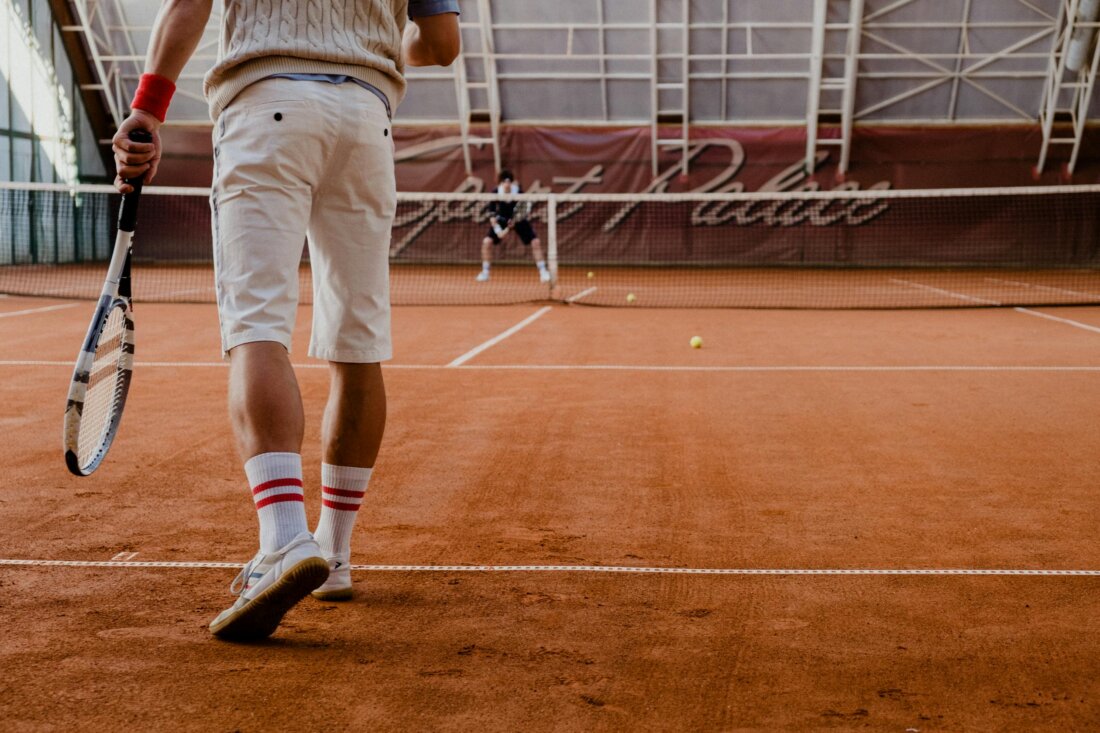
Header Image Source: Pexels / cottonbro studio (px:5739200)