






Muscle Soreness: What Really Helps and What Is Just Myth
6 min read
Two days after your workout, you can barely make it down the stairs-and suddenly, unsolicited advice floods in: stretch, ice baths, magnesium. Most of it doesn’t help. What delayed-onset muscle soreness really is and what you can actually do about it, without the myths.
02.05.2026
What delayed-onset muscle soreness really is
For decades, lactic-acid buildup was blamed. That explanation is outdated. Modern sports science shows delayed-onset muscle soreness stems from microscopic tears in muscle fibres and the subsequent inflammatory response the body uses to repair them. Experts call it delayed-onset muscle soreness, or DOMS in English.
Typical is the delayed timeline. The ache doesn’t strike immediately; it hits after roughly 12 to 24 hours, peaks after one to two days, and resolves on its own within two to three days. That lag is what makes it so puzzling to many.
It’s most often triggered by unfamiliar movements and eccentric muscle work-think downhill running or slowly lowering weights. Just how hard downhill running taxes your muscles is also covered in our story on the Comrades Marathon.
What really helps against muscle soreness
The honest news first: there’s no miracle cure that magically banishes soreness. But a few things can ease the discomfort and support recovery. At the top of the list is gentle movement. A relaxed walk or easy cycling boosts circulation and feels noticeably good without further damaging the muscle.
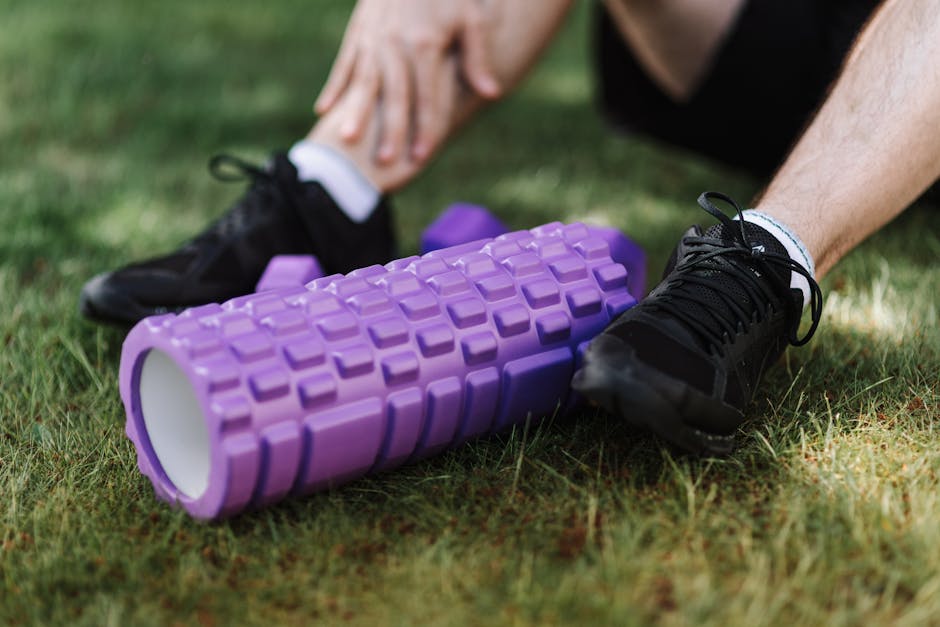
Heat relaxes the muscles-many find a warm bath or sauna pleasant. And the most underestimated factor is sleep: the real repair work happens during recovery, not during training. A soft foam roller can stimulate circulation, as long as you don’t press it into acute pain.
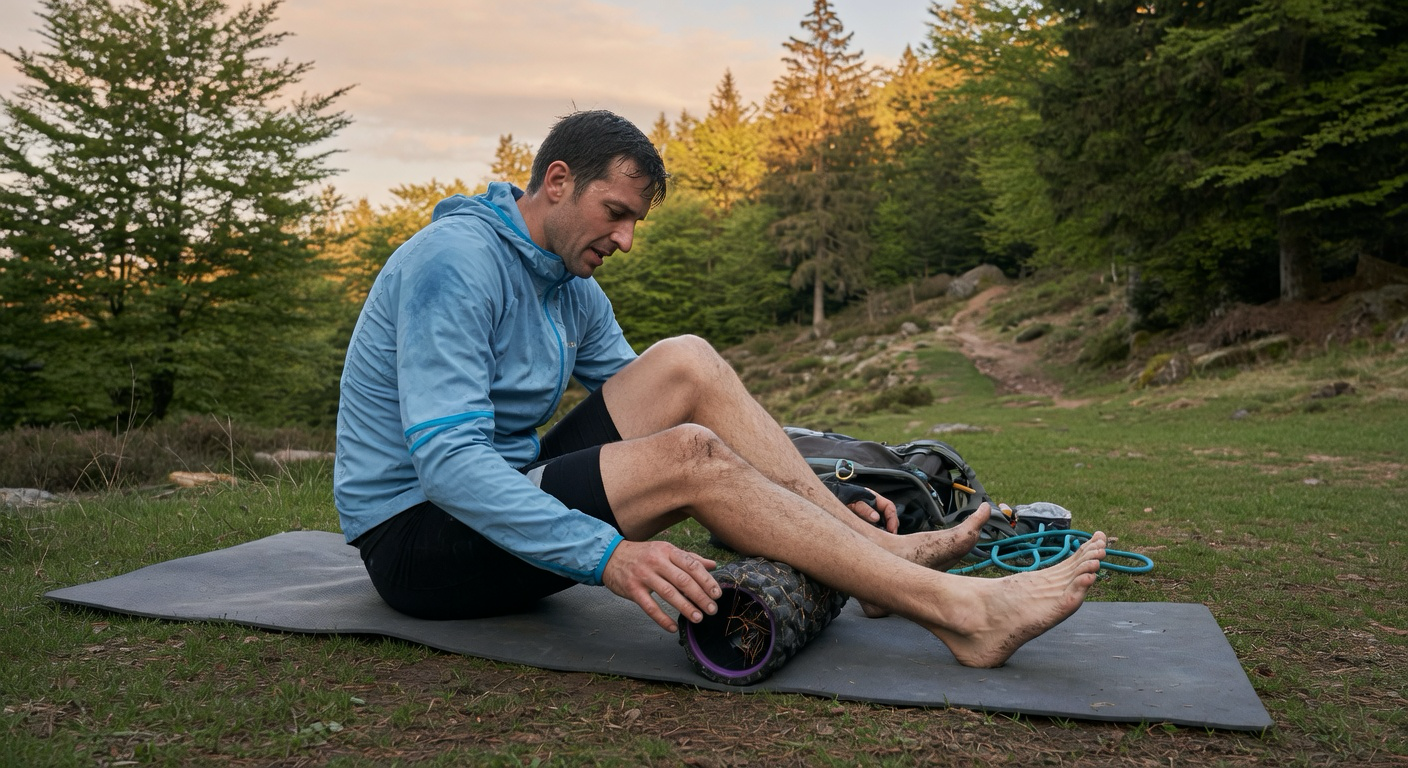
Myth or remedy-what actually works against soreness
Many half-truths swirl around muscle soreness. This comparison separates fact from fiction.
Gentle movement and light cardio, warmth and sauna, plenty of sleep, soft foam rolling.
Above all: patience. The body heals itself.
Static stretching to prevent soreness, aggressive kneading during acute pain, routine painkillers.
Even the saying “use it or lose it” doesn’t apply here.
One persistent belief is that stretching before exercise prevents soreness. Studies show little effect. More useful is targeted strength work that conditions the muscle to stress, as our feature on strength training for runners explains.
How to prevent muscle soreness
The most effective prevention isn’t a product-it’s a method: ramp up gradually. Increasing volume or intensity in small steps gives muscles time to adapt and drastically reduces soreness. This applies to beginners and returnees after a break alike.
When trying a new movement or sport, keep the first session deliberately light. A mild soreness afterward is normal and nothing to worry about. If you control the load carefully-say, using the approach from our guide to interval training for runners-you’ll hit the right dosage. And as long as you can move, training with mild soreness is fine; just avoid intense loading on the affected muscle.
 Cool-down
Click on a question to reveal the answer.
How long does muscle soreness last?
Can I work out with muscle soreness?
Does stretching help with muscle soreness?
Is muscle soreness a sign of a good workout?
When should I see a doctor?

Strength training for runners: exercises to improve running economy →
Interval training for runners: get faster without logging more miles →
How to buy the right running shoes: pronation, drop and cushioning →
Trail running for beginners: gear and technique →
Comrades Marathon: what German-speaking runners need to know →
Featured image source: Pexels / www.kaboompics.com (px:4378850)
Image in article: AI-generated (May 2026)
Translated from the German original using artificial intelligence. The German version is authoritative.