







Aikido: Finding Harmony – Your Path to Self-Defense
3 min read
Update March 2026: This article has been editorially reviewed and updated with current information.
Last updated: March 2026


Imagine stepping into a quiet dojo, surrounded by the stillness and focus of fellow practitioners. The scent of the wooden floor blends with the soft rhythm of movement. This is where Aikido is practiced-a martial art that is so much more than a sequence of techniques.
Born from the teachings of Morihei Ueshiba, this martial art embodies the fusion of physical mastery and spiritual wisdom, inviting you on a journey that unites body and mind.
Historical Background
The Origins Aikido was developed in Japan in the early 20th century by Morihei Ueshiba, an extraordinary martial artist and philosopher. Ueshiba blended his knowledge of various traditional martial arts such as Jujutsu and Kenjutsu with his deep spiritual beliefs. He sought to create a martial art that was not based solely on victory or defeat, but on harmony and mutual understanding. His goal was to forge a discipline that was both physically effective and spiritually fulfilling.
The Meaning Behind the Name The name “Aikido” is composed of three parts: “Ai” (harmony), “Ki” (energy) and “Do” (the way). These terms reflect the philosophy and practice of the art. “Ai” means that you should accept and redirect your opponent’s movements and energy to resolve conflicts. “Ki” represents the life energy that flows through the body and is controlled and harmonised through Aikido. “Do” refers to the path that encompasses both technique and spiritual growth.
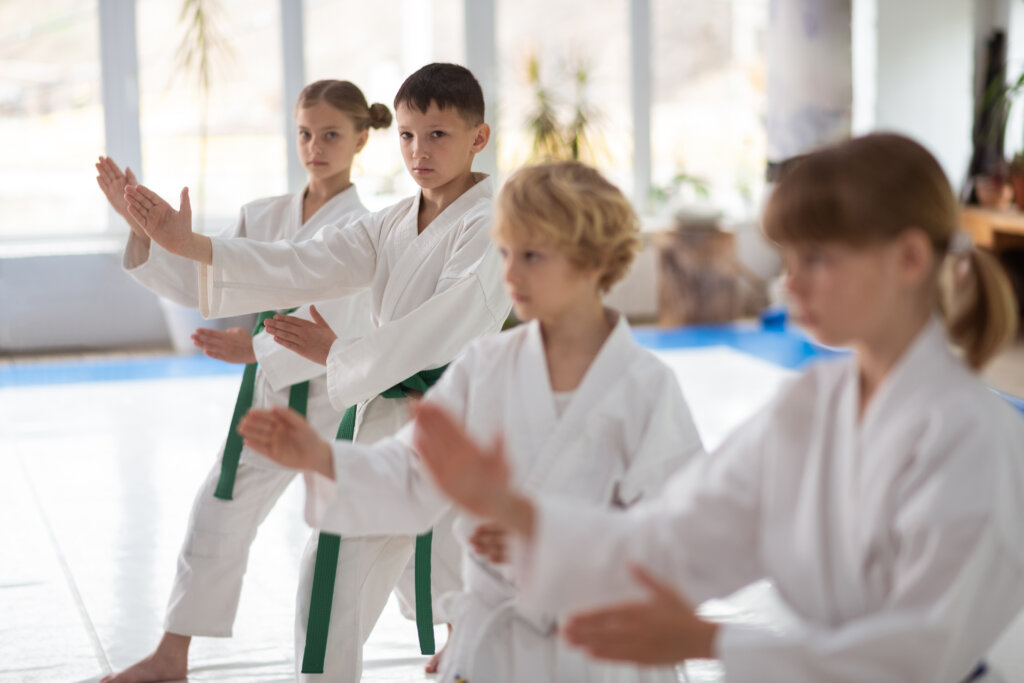
Techniques and Principles
Philosophy
The principles of Aikido extend far beyond the dojo, offering invaluable tools for resolving conflicts and maintaining composure in everyday life.

In both personal and professional relationships, Aikido teaches you to recognize and channel your own energy-and that of others-effectively, helping you face challenges with greater calm. Beyond physical fitness, regular practice fosters personal growth, reduces stress, builds self-confidence, and deepens your understanding of yourself and those around you.
By embracing Aikido’s core principles of harmony and balance, you can cultivate a more fulfilling and balanced life.
Conclusion
Aikido is far more than just a martial art; it is a journey of self-discovery and personal growth. By blending physical technique with spiritual philosophy, Aikido offers a path that leads to inner peace, harmony, and personal development. It is an art that unites body and mind, helping you face life’s challenges with calm and clarity. Whether you’re drawn to its physical techniques or its philosophical depth, the way of Aikido provides a profound and enriching experience that lasts a lifetime.
Source of cover image: Adobe Stock / Anna Jurkovska
YOU MIGHT ALSO LIKE
More from our magazines
- Adele in Munich: Enthusiasm despite accompanying dissonance (InspiredByBeatz)